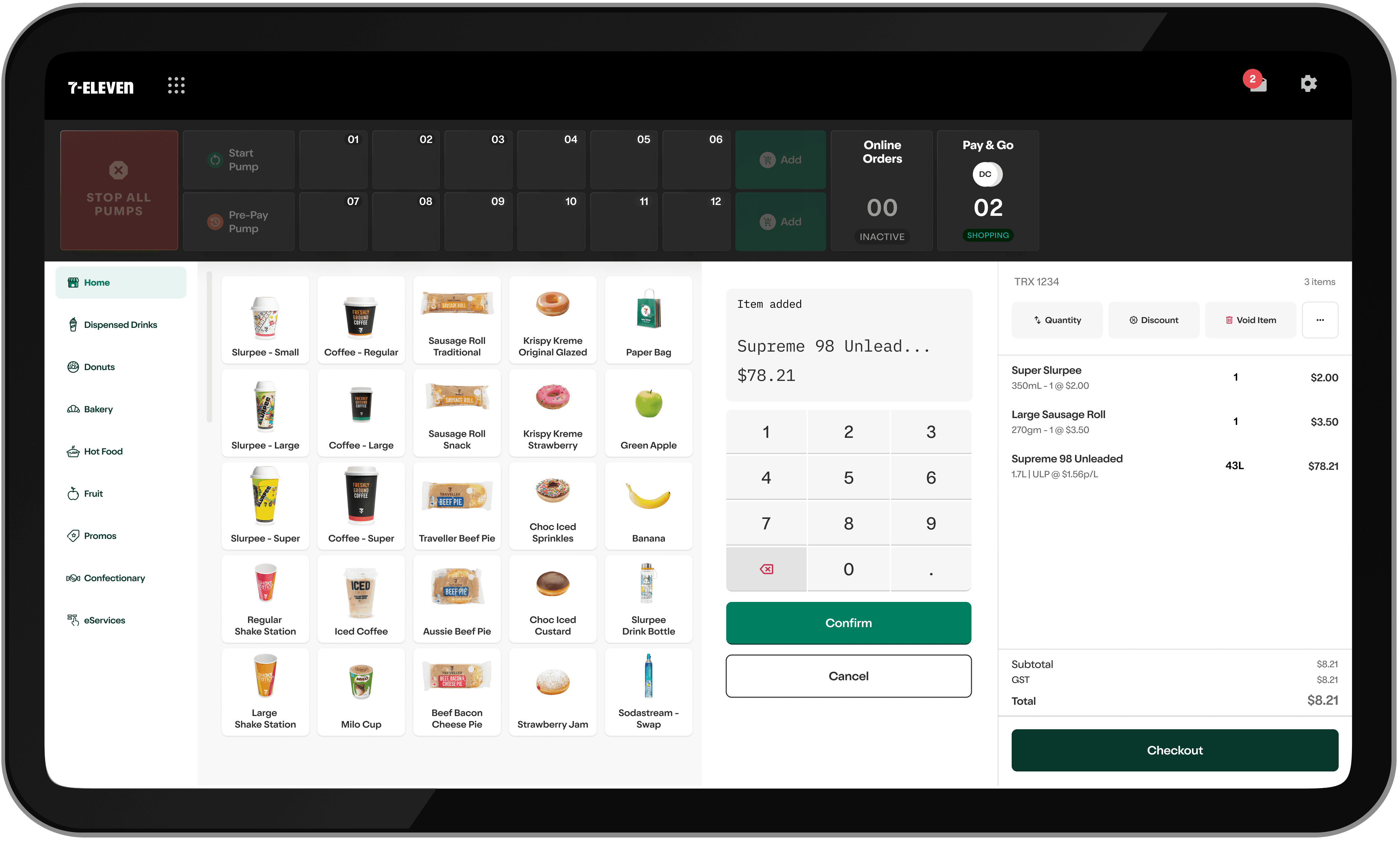
THE CHALLENGE
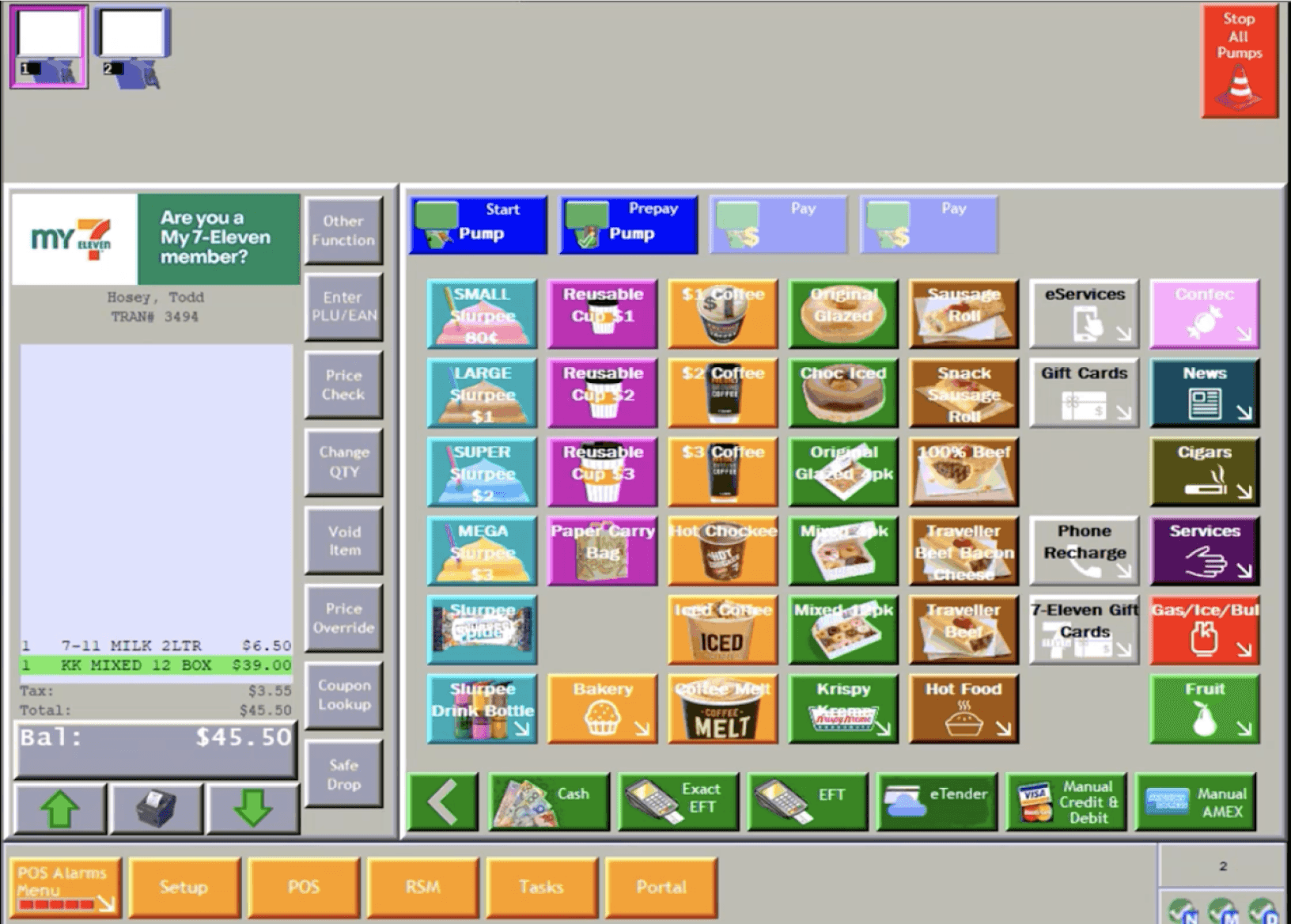
A 20-year-old legacy POS relied on for 99% of transactions across 700+ stores with no design input, no analytics tooling, and a platform so constrained that minor UI changes took 12 - 18 months to ship.
What I did
Led end-to-end UX and product design across a multi-vendor, multi-region program: 12 store visits, 24 interviews, six archetypes, a north star and five design pillars, two shipped versions, and a design system built to work within hard platform constraints.
OUTCOMES
Task completion rate
Cognitive load (NASA TLX)
Error recovery time
Faster item identification
99% of transactions. Every second matters.
At 7-Eleven Australia, the POS handles 99% of in-store transactions, so every second at the counter matters. After more than 20 years on a dependable but heavily vendor-gated NCR platform, where even small enhancements could take 12–18 months to ship, the business transitioned to a new POS solution to unlock speed, flexibility, and long-term cost reduction.
As Experience Design Lead, I drove end-to-end UX and product design from research and synthesis through to prototyping, testing, and final delivery partnering across CX, service design, engineering, and solution architects across multiple regions around the globe.
Defining the right POS, not just a new one
Before designing anything, I introduced a research-driven process to ensure every decision was grounded in real store behaviour, not assumptions. This combined store visits, service safaris, contextual interviews, observational shadowing, prototype testing, and video analysis using Attention Insight.
Store visits
Team members interviewed
Average transaction time
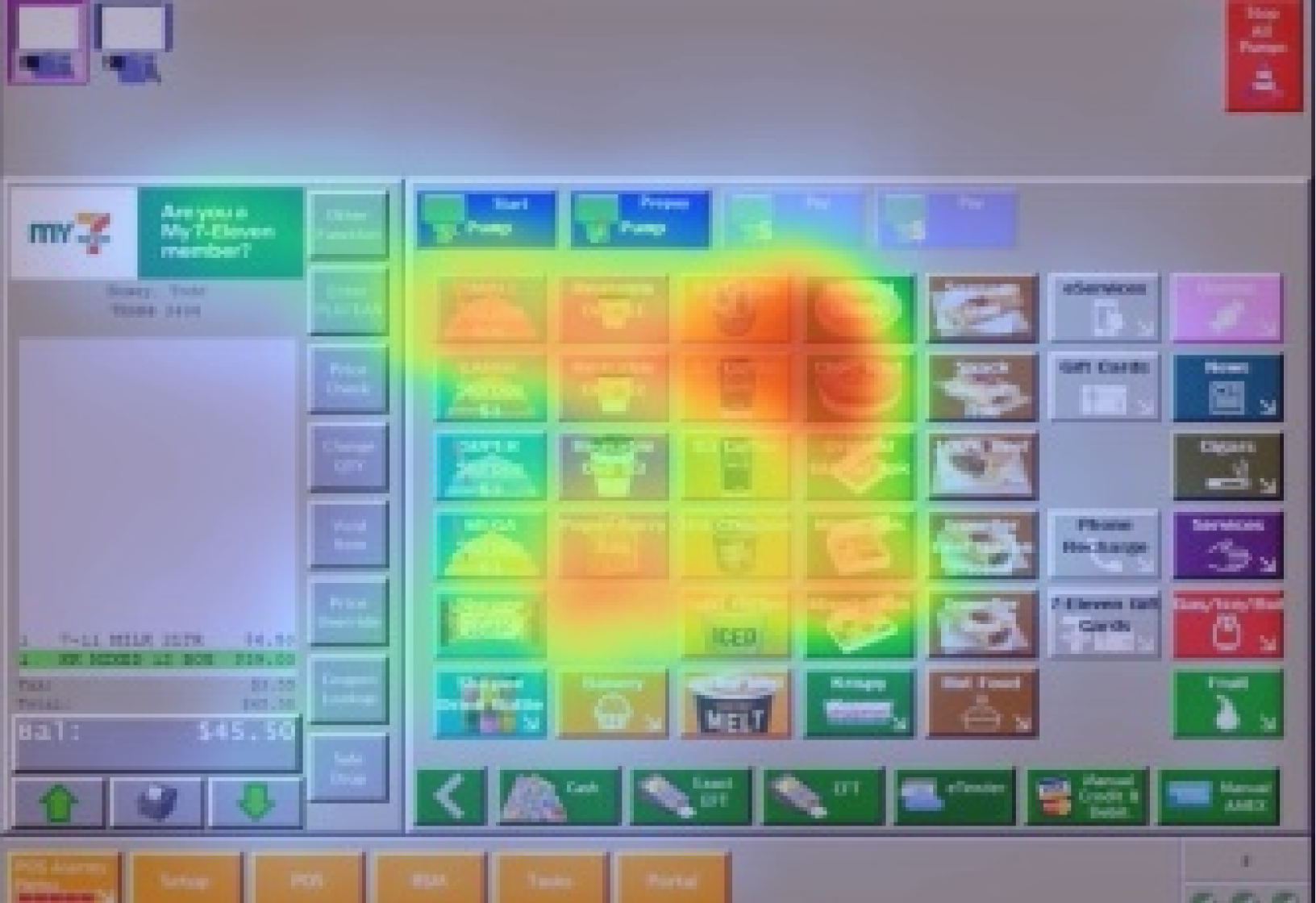
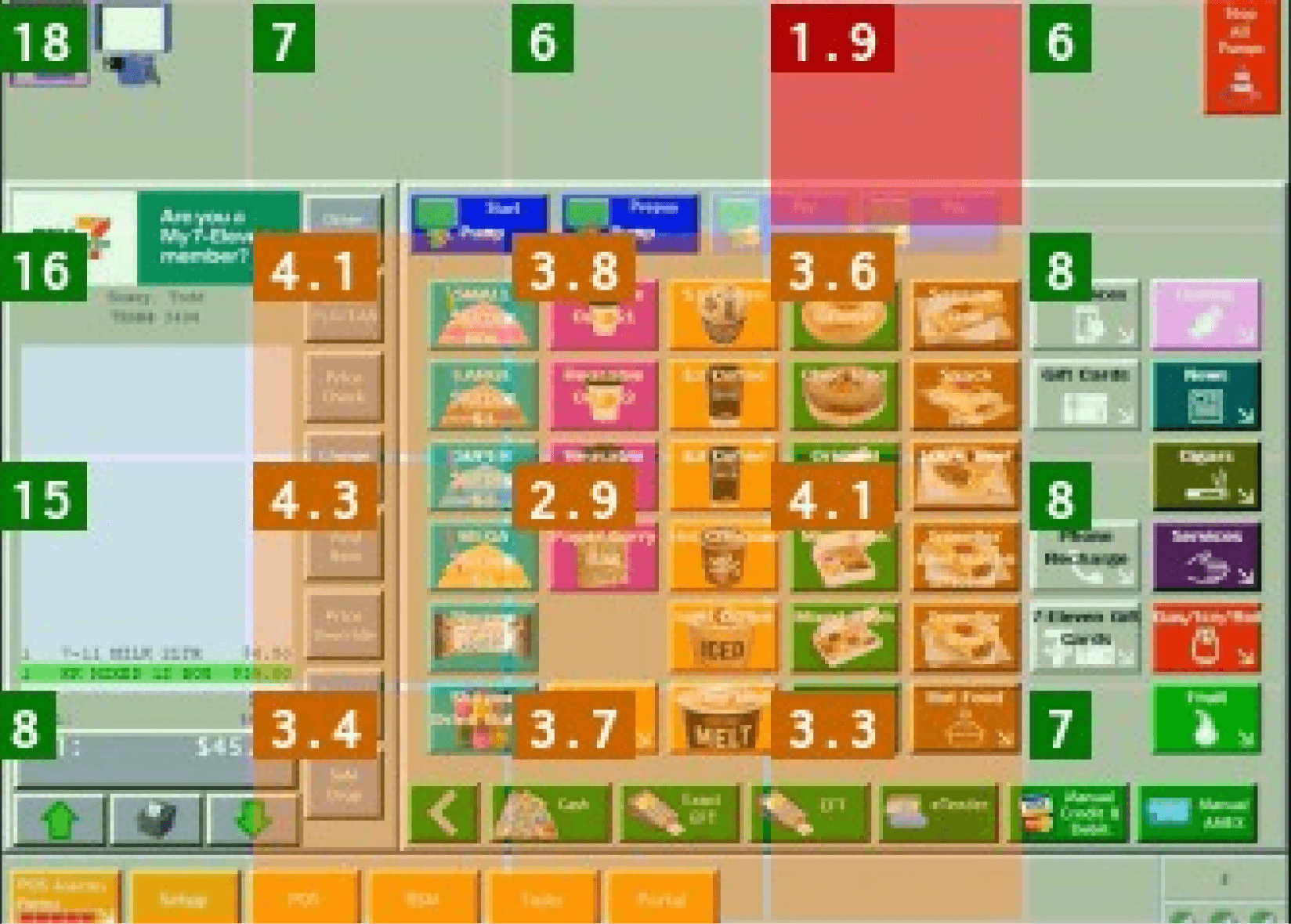
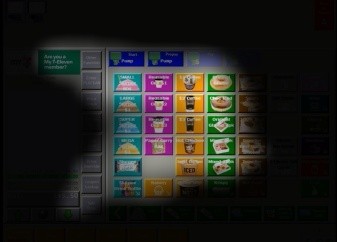
The people behind (almost) every transaction
In-store visits surfaced something that research alone couldn't: the sheer cognitive load store staff were managing every shift. While spending up to 90% of their time at the POS, they were simultaneously expected to monitor as many as five separate devices, eCommerce orders, food and beverage temperatures, fuel forecourt activity, and more.
devices to monitor simultaneously
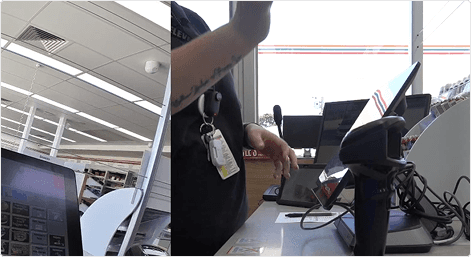
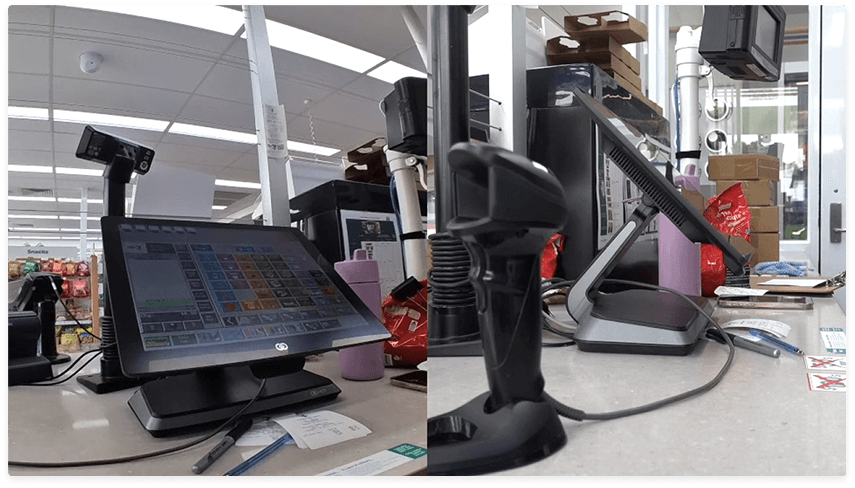
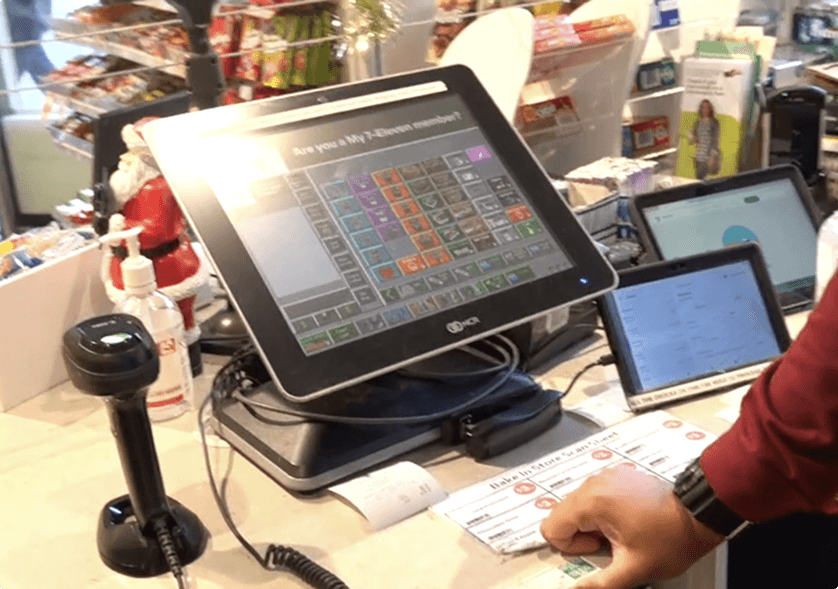
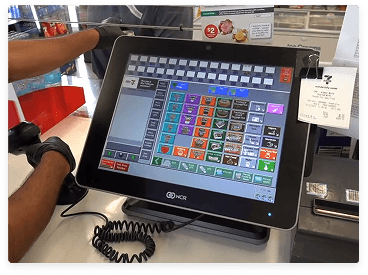
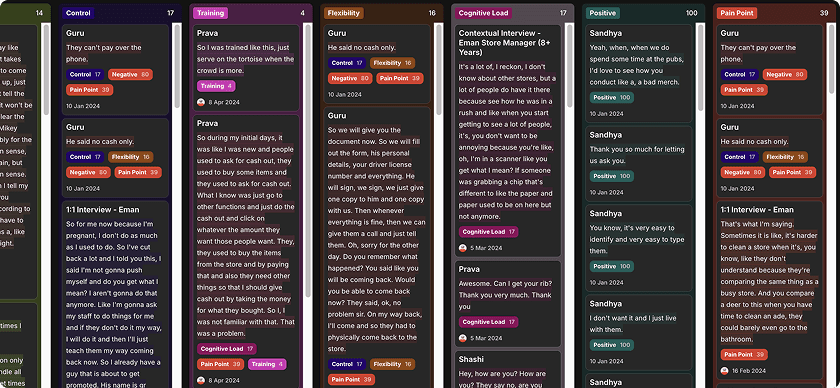
Dozens of hours of interview and contextual interview video and audio.
This product sits at the intersection of eCommerce interface patterns and traditional POS design - a genuinely hybrid retail environment that required careful UX strategy. I designed and led two versions across a complex stakeholder landscape spanning vendors, compliance teams, engineers, and partners across multiple regions.
CONSTRAINTS & PERSPECTIVE
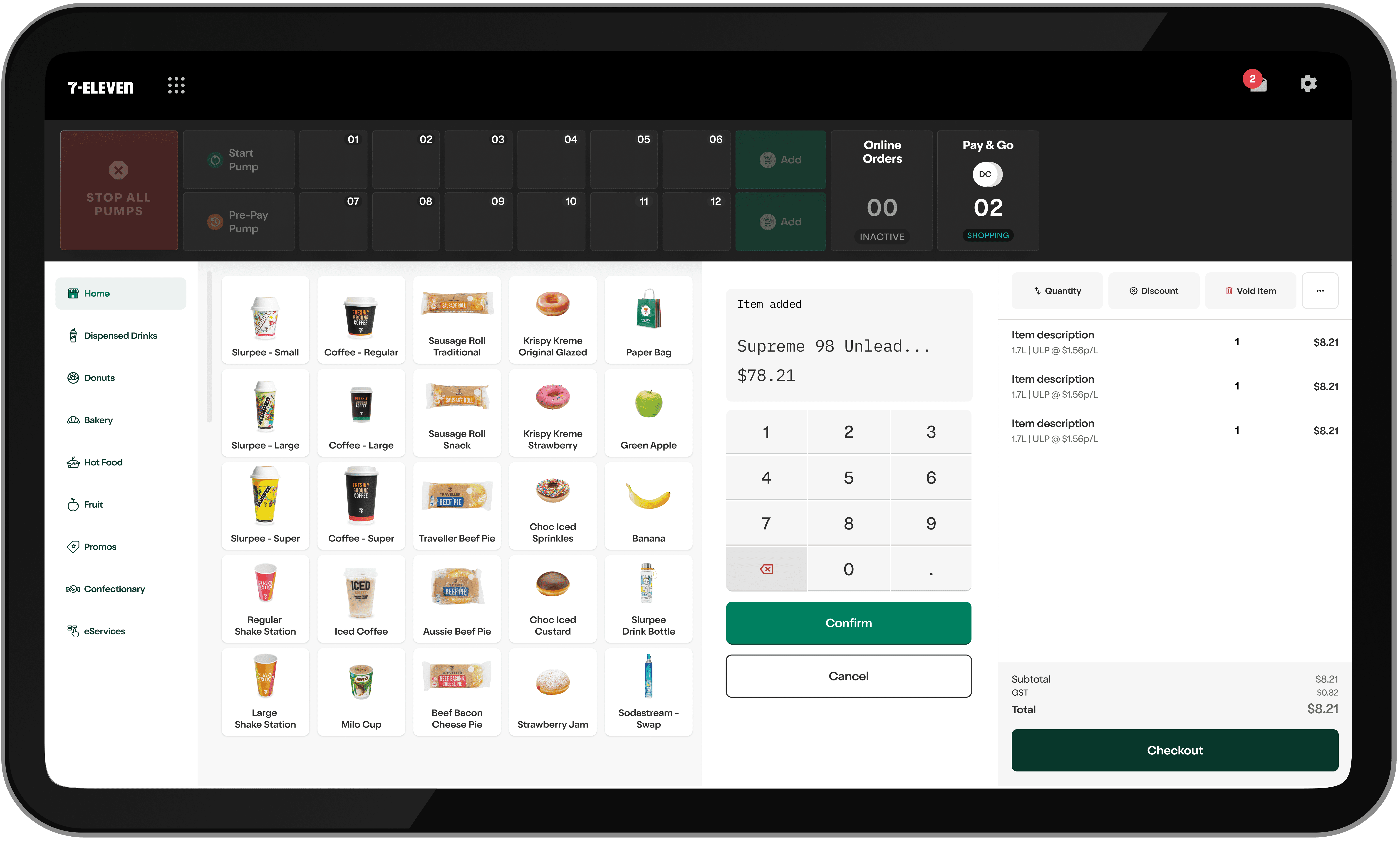
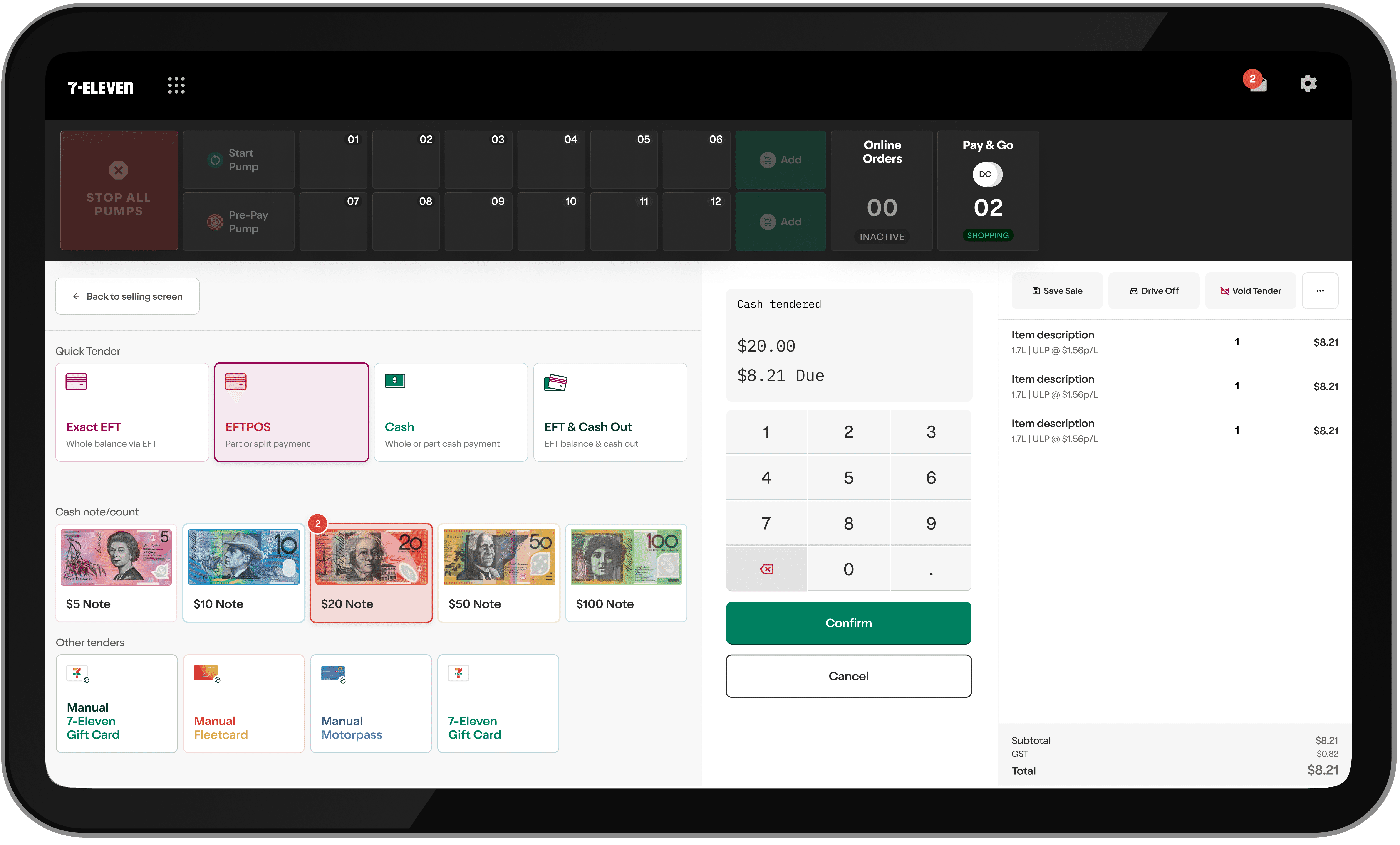
The new Payment screen
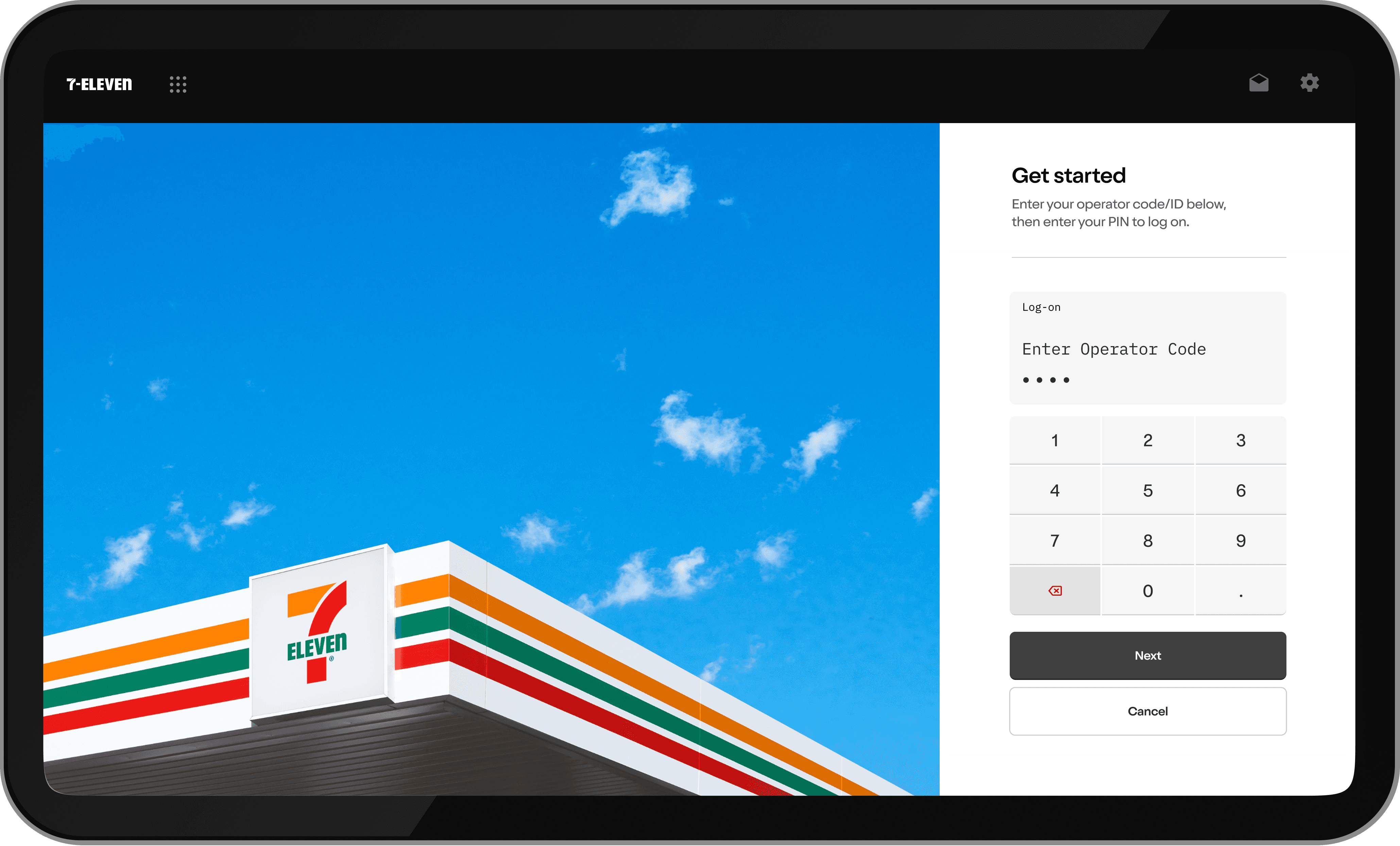
A fresh log-on experience
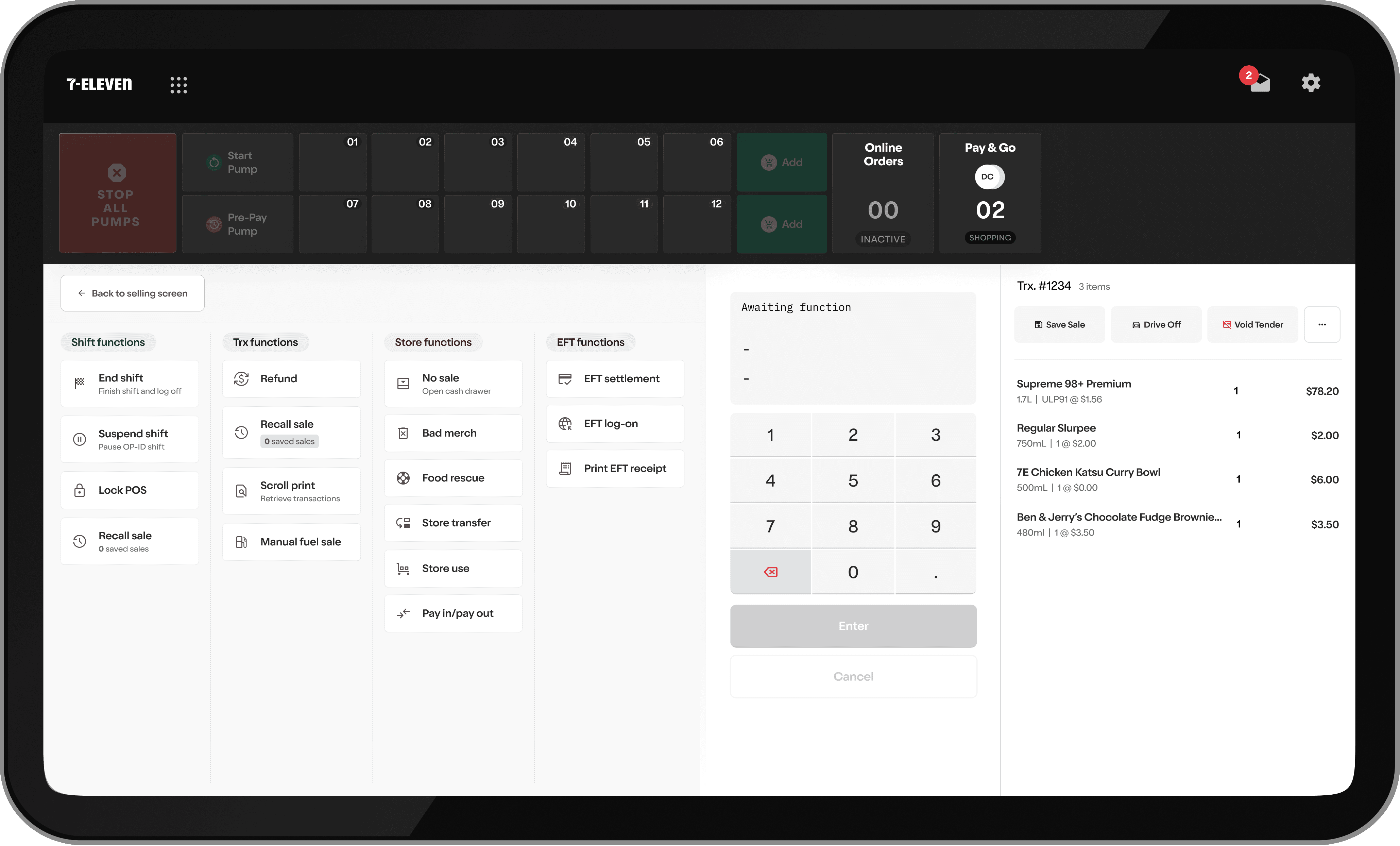
Functions grouped by category and role
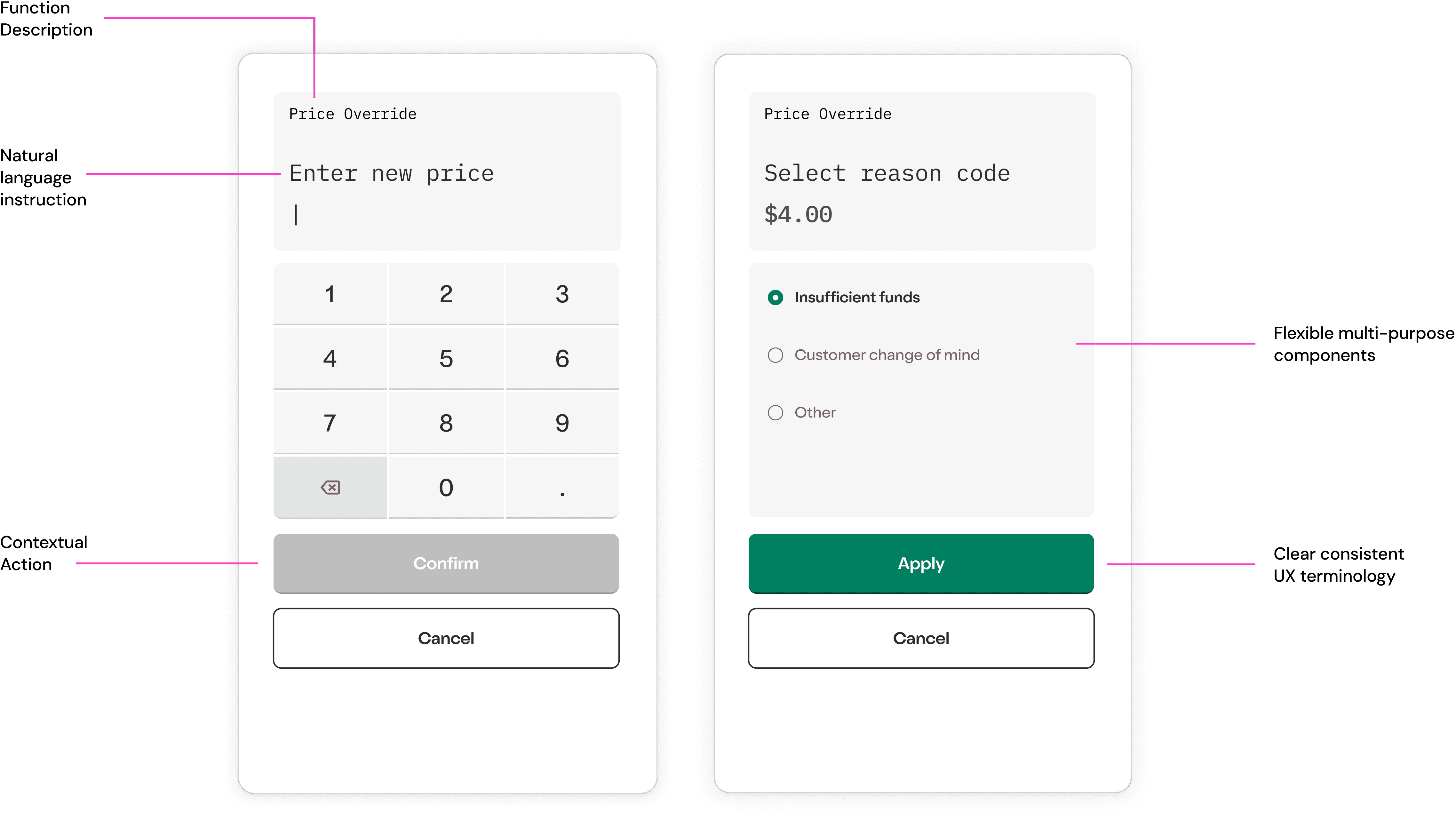
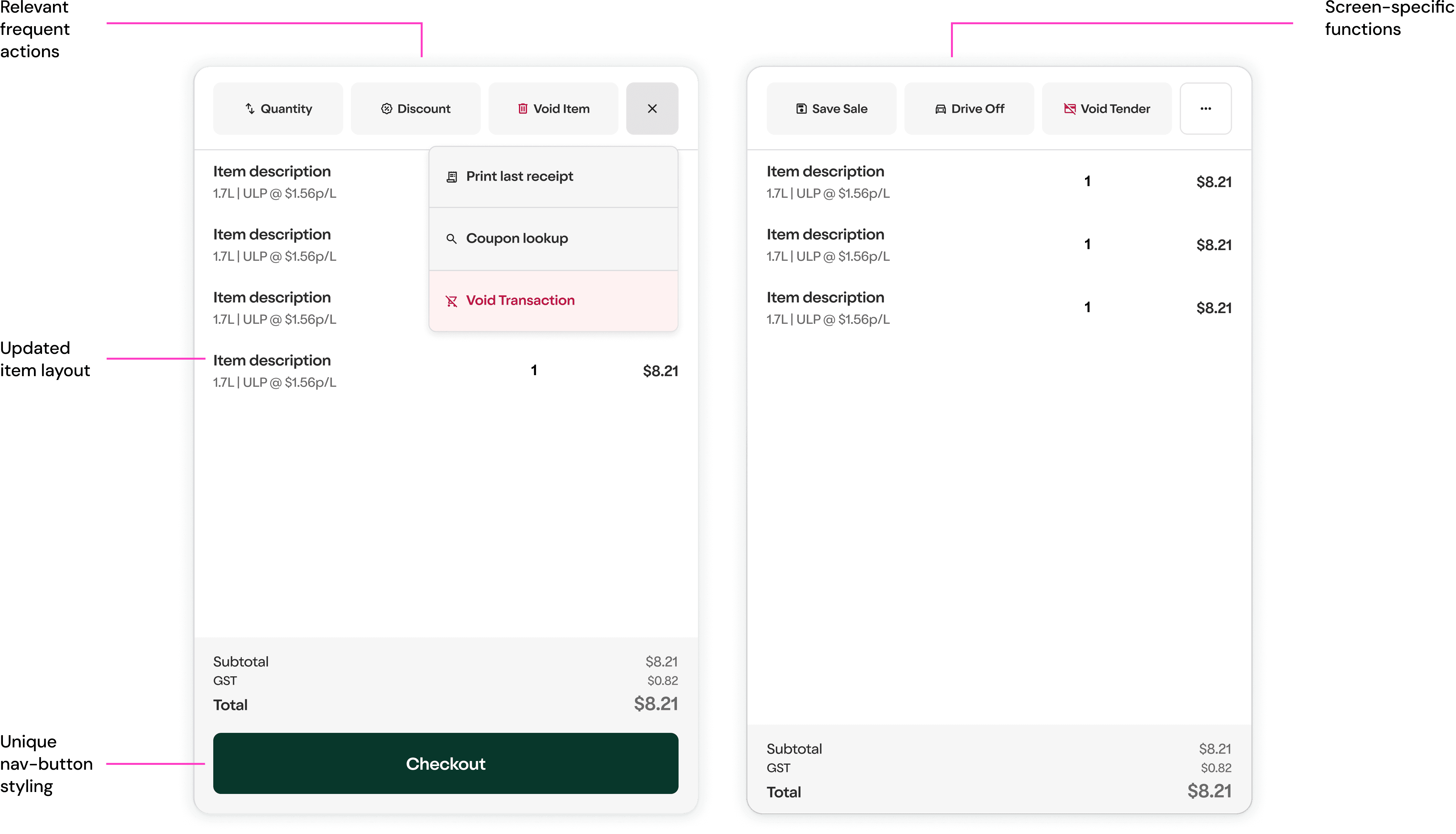
Meaningful improvements
within real-world constraints
Redesigning the 7-Eleven POS was one of the most complex and rewarding challenges of my career. Rather than a purely aesthetic redesign, the focus was on making everyday tasks clearer, faster, and more reliable for the people who depend on them most. Post-pilot usability testing showed measurable gains across the core transaction experience.
Task completion rate
Cognitive load reduction (NASA-TLX)
Error recovery time